Resveratrol for skin has a reputation as a powerful anti-aging compound, but what exactly can it do for your complexion? This natural antioxidant gained fame as the healthy component in red wine, and now it’s making waves in skincare. Whether you’re a skincare devotee or a supplement enthusiast, resveratrol uniquely bridges the worlds of skincare and supplements. It’s a compound at the intersection of beauty and wellness. It is one of the most promising antioxidant supplements for fighting the signs of aging. In this article, we’ll explore the resveratrol benefits for skin that dermatologists approve of and explain how to use it effectively.

What Is Resveratrol?
This is a naturally occurring plant compound (a type of polyphenol) with strong antioxidant properties. It’s found in the skins of grapes, as well as in berries, peanuts, and even dark chocolate. In plants, resveratrol acts as a defense molecule, protecting against environmental stressors. In humans, it functions as an antioxidant that neutralizes free radicals – unstable molecules that can damage cells and accelerate aging. It is available in various forms, including dietary supplements (capsules, liquids, or resveratrol powder) and topical skincare products like serums and creams. Resveratrol truly entered the public spotlight in the 1990s during investigations of the “French Paradox,” the observation that French populations had low rates of heart disease despite diets rich in butter and cheese. Red wine was suggested as one contributing factor. While sipping wine isn’t a health cure, this finding kicked off decades of research into resveratrol as a longevity compound. Resveratrol can activate certain genes associated with stress resistance and aging (such as the sirtuin family of proteins) and help cells clear out damage. These abilities help explain how resveratrol combats aging in both the body and the skin.
Natural Sources of Resveratrol
Resveratrol is found in a variety of plant foods (though usually in small amounts). Some notable natural sources include:
-
Red grapes and red wine: Resveratrol is concentrated in grape skins, which is why red wine contains some. White wine has much less since the skins are removed early in fermentation.
-
Berries: Blueberries, cranberries, and raspberries all provide resveratrol, with the highest levels generally in the skins of these fruits.
-
Peanuts and pistachios: Among nuts, peanuts are a good source, as resveratrol is present in the peanuts’ thin skin. Pistachios also contain a small amount.
-
Cacao and dark chocolate: Cocoa beans have resveratrol, so dark chocolate and cocoa powder will give you a bit of this antioxidant.
-
Others: Resveratrol has been identified in foods like Japanese knotweed and even soy. However, the amounts in a normal serving of these foods are relatively low.
Enjoying a diet rich in these antioxidant-rich foods can support overall health, but you would have to consume huge quantities to get an anti-aging dose of resveratrol. It’s great to eat these healthy foods, but you shouldn’t rely on diet alone if you’re aiming for an anti-aging dose of resveratrol. That’s why supplements are a more practical route for those seeking higher resveratrol intake, especially for longevity purposes.
Dermatologist-Approved Skin Benefits of Resveratrol
Resveratrol’s multifaceted benefits include potent antioxidant action and anti-inflammatory properties that help combat a range of skin concerns. Here are some of the key ways this powerhouse ingredient can improve your skin:
-
Antioxidant protection: Resveratrol is a powerful antioxidant that shields skin cells from oxidative stress. Neutralizing free radicals generated by UV radiation, pollution, and stress helps prevent premature skin aging.
-
Anti-aging effects: Resveratrol supports the skin’s natural repair processes. It can stimulate healthy collagen production – the protein that keeps skin firm and elastic. With consistent use, resveratrol may soften the look of fine lines and wrinkles and improve skin bounciness.
-
Reduces inflammation and redness: Thanks to its anti-inflammatory properties, resveratrol has a calming effect on the skin. It can soothe irritation and reduce redness, which is great news for those with sensitive or reactive skin. People with inflammatory conditions, such as rosacea or acne, often find that resveratrol helps reduce redness and swelling.
-
Helps with acne and breakouts: Resveratrol isn’t just for aging. It may also aid acne-prone skin. Its antioxidant and antimicrobial activity can inhibit Propionibacterium acnes, the bacteria involved in acne, and reduce inflammation in blemishes. Some evidence even shows that combining resveratrol with traditional acne treatments (like benzoyl peroxide) boosts their pimple-fighting power.
-
Even skin tone and brightens: By inhibiting tyrosinase, resveratrol can help fade dark spots and hyperpigmentation over time. This results in a more even skin tone and a brighter complexion for individuals dealing with sun spots or post-acne marks.
-
Hydrates and smooths skin: Resveratrol has been observed to improve skin hydration and texture. In some studies, participants who took resveratrol orally noticed that dry patches diminished and overall skin smoothness improved. Topical application can also strengthen the skin barrier, helping the skin retain moisture for a plumper, healthier look.
-
Supports skin healing: Preliminary research suggests resveratrol might aid in tissue repair and wound healing. By promoting cell regeneration and maintaining a healthy skin barrier, resveratrol can help your skin recover more quickly from minor damage or irritation. This means it not only beautifies intact skin but may also assist in recovery when your skin is compromised.
Unlike a retinol (vitamin A) treatment that speeds up cell turnover, resveratrol works by shielding and energizing existing cells, making it a gentler yet effective anti-aging approach. By helping prevent UV-induced damage and even improving issues like acne scarring, resveratrol can give the complexion a smoother, more youthful appearance.

How to Use Resveratrol in Your Skin Care Routine
Resveratrol is a versatile ingredient that can be used both topically and orally. Here are some tips and steps for incorporating resveratrol into your skincare regimen:
-
Choose the right product: Resveratrol comes in serums, creams, lotions, and even facial oils. Serums are lightweight and ideal for delivering a high concentration of active ingredients early in your routine, whereas creams might combine resveratrol with moisturizing agents. Pick a format that suits your skin type.
-
Apply at night: Resveratrol has some light-sensitive tendencies, so it’s best used in the evening as part of your nighttime routine. Nighttime application allows resveratrol to work in sync with your skin’s natural repair processes. After sundown, cleanse your face thoroughly and then apply your resveratrol product. If it’s a serum, use it after toning and before your moisturizer; if it’s a heavier cream, it can be the last step before bed.
-
Layer correctly: The placement of resveratrol in your routine depends on the type of product. As a general rule, apply thinner, water-based products first, followed by thicker ones. For example, if using a resveratrol serum, you would apply it right after cleansing, then follow with your usual moisturizer or night cream. If using a resveratrol-infused cream, apply it after any serums so it can seal in those benefits.
-
Combine with other antioxidants: Resveratrol plays well with other skincare ingredients. It’s often formulated alongside vitamins C or E and ferulic acid for a synergistic antioxidant effect. Using a product that pairs resveratrol with other antioxidants can bolster your skin’s defense against environmental aging.
-
Be consistent: Like most skincare actives, resveratrol needs consistent use to show results. Apply it daily at night. Over time – typically after several weeks of regular use – you should start to notice improvements in fine lines, firmness, and overall skin radiance.
-
Don’t forget sunscreen: While resveratrol helps repair and protect skin, it’s not a substitute for sunscreen. If you’re using resveratrol in your nighttime routine, be sure to apply a broad-spectrum sunscreen every morning. This prevents new UV damage during the day, allowing resveratrol to focus on recovery at night.
Remember to store resveratrol products in a cool, dark place (and keep containers tightly closed) to preserve their potency.
Resveratrol Anti-Aging
Beyond topical creams, resveratrol is widely taken as an oral supplement to promote overall health and longevity. Resveratrol’s modern fame in the anti-aging world took off after studies showed it could extend lifespan in laboratory animals on high-fat diets, hinting at its potential to slow aging. It’s often included in lists of the best resveratrol supplement options for anti-aging enthusiasts. The idea is that by reducing oxidative stress and inflammation throughout the body, resveratrol could theoretically slow down aspects of aging and support cardiovascular and neurological health. It has shown promise for improving cardiovascular markers and enhancing insulin sensitivity, among other benefits.
However, it’s important to have realistic expectations. The amount of resveratrol needed to see measurable effects is relatively high. Around 150 mg of resveratrol per day is needed for significant benefits – an amount practically impossible to obtain from food or wine alone. This is why taking a concentrated supplement is useful if you want to harness resveratrol’s longevity benefits. If you plan to buy resveratrol supplements online, look for products that contain “trans-resveratrol” and provide a substantial dose per serving. Be aware that quality matters: stick to top resveratrol supplement brands that conduct third-party testing for purity and potency.
Combining Resveratrol with NMN for Longevity
In the world of longevity science, resveratrol often pairs with another well-known molecule: NMN (nicotinamide mononucleotide). NMN is a precursor to NAD+, a coenzyme that plays a crucial role in cellular energy and repair processes, and it’s a star in anti-aging research. Many longevity enthusiasts believe that using NMN with resveratrol yields synergistic benefits. The reasoning is that resveratrol and NMN work on complementary pathways: resveratrol activates certain “longevity genes” that protect our DNA, while NMN boosts the levels of NAD+ that those sirtuin enzymes need to function. Resveratrol appears to work synergistically with NMN, as it flips the switch on sirtuin activity, and NMN fuels that activity by increasing NAD+ availability.
Choosing the Right Resveratrol Product
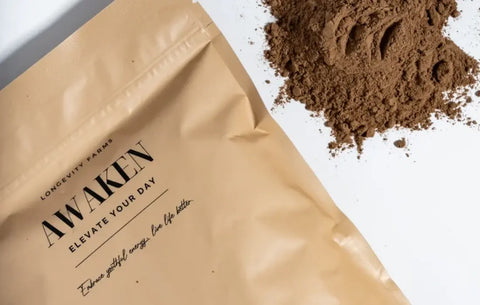
If you’re ready to add resveratrol to your wellness routine, it’s essential to choose the right product for your needs. You might even shop for longevity drinks or powders that include resveratrol combined with other complementary ingredients. For example, Longevity Farms offers a signature “Ageless Cocktail” powder that combines resveratrol with NMN and NAD+ into a convenient daily drink mix. Such all-in-one formulations can be appealing if you want multiple longevity ingredients at once. Here are a few tips:
-
Dose and purity: Consider the dosage based on your goals – smaller doses might be aimed at general wellness, while higher doses are often used in longevity regimens. Make sure the supplement is high-purity with minimal fillers. Reputable manufacturers will often provide a certificate of analysis to prove potency and purity.
-
Bioavailability matters: Resveratrol isn’t absorbed very efficiently on its own. Some supplements address this by using special formulations to enhance absorption. You can also take resveratrol with a meal containing some fat, which may help your body absorb it better.
-
Packaging: Resveratrol can degrade with exposure to light and air. High-quality supplements usually come in opaque, airtight containers. Similarly, if you choose a resveratrol serum for skin, opt for one in a dark or airless pump bottle to maintain its stability.
-
Price vs quality: With supplements, the cheapest option isn’t always best. Extremely low-priced resveratrol may be of inferior quality or lower actual content. Conduct thorough research or rely on reliable recommendations from trusted health sources. Often, top-tier brands invest in higher-quality raw materials and rigorous testing, which can make their products more effective.
-
Stacking with other supplements: Think about how resveratrol fits into your larger supplement regimen. If you’re taking other anti-aging supplements, ensure there are no conflicts or unnecessary overlaps. Resveratrol is commonly combined with NMN, quercetin, or curcumin for a multi-faceted approach to healthy aging, so it can be a great team player in your supplement “stack.”
By paying attention to these factors, you can get resveratrol supplements that are effective and safe. A high-quality resveratrol product will deliver the benefits you’re looking for much more reliably than a bargain-bin version.
Side Effects and Precautions
Resveratrol has an excellent safety profile, particularly when applied topically. Topical resveratrol is generally non-irritating and suitable for all skin types. Resveratrol is generally considered safe for all skin types. Of course, if you have very sensitive skin or multiple allergies, it’s wise to do a patch test with any new product. Using extremely high concentrations might cause minor irritation for some, so start slowly if you’re trying a very potent formula.

If you plan to take resveratrol as an oral supplement, there are a few precautions to keep in mind. Anyone with an underlying health condition, or women who are pregnant or breastfeeding, should seek medical advice before starting resveratrol supplements. And while resveratrol is being studied for benefits in conditions like diabetes, neurodegenerative diseases, and even cancer, it should not replace any treatments prescribed by your doctor.
Using resveratrol in your skincare can help protect your skin from daily stressors and gradually reverse the signs of visible aging. Meanwhile, taking resveratrol as a supplement may contribute to your long-term wellness and anti-aging strategy, particularly when combined with other synergistic nutrients, such as NMN. With a thoughtful approach, longevity resveratrol strategies could be a worthwhile investment in your skin’s future and your overall vitality. Few ingredients bridge the gap between beauty and longevity the way resveratrol does, and that’s why it has earned a permanent spot in many dermatologist-approved routines and longevity stacks.
Sources
-
Healthline – 5 Benefits of Resveratrol for Your Skin healthline.comhealthline.com
-
Vogue – The Truth About Resveratrol For Skin vogue.com
-
Byrdie – The Benefits of Resveratrol for Skin and How to Use It byrdie.com
-
Westlake Dermatology – Skincare Ingredient Focus: Resveratrol westlakedermatology.com